





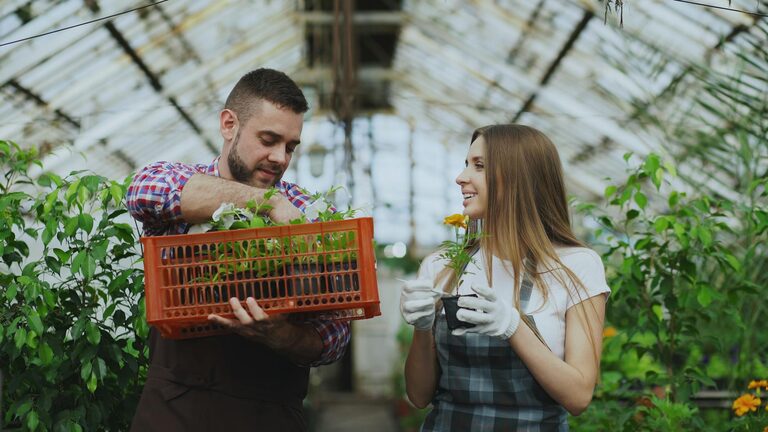
Creating a garden that not only looks beautiful but also supports the environment and remains enjoyable throughout the year is a rewarding challenge. Whether you have a small balcony or a spacious backyard, a sustainable home garden can provide fresh produce, support local wildlife, and offer a peaceful retreat. In this post, we’ll explore how to plan, plant, and maintain your garden sustainably, while keeping it engaging every season.
Planning Your Sustainable Garden
Choose the Right Location
The first step is selecting the best spot for your garden. Look for areas that get adequate sunlight—most vegetables and flowers need around six hours of direct sunlight daily. Pay attention to soil drainage and protection from harsh winds. If space is limited, consider vertical gardening or container planting.
Soil Health is Key
Healthy soil supports healthy plants. Start by testing your soil’s pH and nutrient levels using a simple home test kit or professional service. Avoid chemical fertilisers; instead, enrich your soil with organic compost, leaf mould, or well-rotted manure. This improves soil structure, encourages beneficial microbes, and reduces waste.
Plan for Year-Round Interest
Think about planting a mixture of species that will bloom or bear fruit in different seasons. Include evergreens for winter structure and native plants for wildlife support. Group plants according to their water and sun needs to make watering and maintenance easier.
Sustainable Planting Tips
Use Native and Drought-Tolerant Plants
Native plants are adapted to your local climate and soil, needing less water and care. Drought-tolerant varieties also help conserve water, an important consideration in sustainable gardening especially during dry spells.
Grow Your Own Food
Adding vegetable, herb, or fruit plants to your garden reduces carbon footprints associated with food transport. Start with easy-to-grow crops like tomatoes, lettuces, herbs (basil, parsley), or strawberries. Try companion planting, pairing plants that help each other grow and repel pests naturally.
Avoid Chemicals and Pesticides
Use natural methods to control pests and diseases. For example, attract beneficial insects like ladybirds and lacewings by planting nectar-rich flowers. Introduce physical barriers such as nets or collars and use organic sprays like neem oil if necessary.
Water-wise Gardening
Collect and Reuse Rainwater
Setting up a rainwater butt can collect water for garden use, reducing reliance on mains water. Position water butts under downpipes to catch rain directly from your roof.
Mulch to Retain Moisture
Apply organic mulch, such as bark chips or straw, around plants to keep the soil cool and moist. Mulching also suppresses weeds, which compete for water and nutrients.
Water Wisely
Water plants in the early morning or late evening to reduce evaporation. Target the base of plants rather than leaves to make the most of each drop.
Maintenance Throughout the Year
Spring and Summer
This is prime growing season. Keep up with weeding, watering, and harvesting regularly. Deadhead flowers to encourage continuous blooming and check plants for pests or diseases.
Autumn
Prepare your garden for winter by cleaning up fallen leaves, which can be added to your compost heap. Plant bulbs for spring colour and protect tender plants by mulching heavily or bringing containers indoors.
Winter
Use this quieter time to plan next year’s garden, order seeds, and repair tools. If weather allows, plant winter vegetables like kale or sprouts and provide food and shelter for wildlife.
Enhancing Your Garden Experience
Create Comfortable Spaces
Include seating or a small table to relax and enjoy your garden. Consider installing solar-powered lights for evening ambiance.
Engage Your Senses
Add a range of plants with different textures, scents, and colours. Incorporate wind chimes or water features to enrich the sensory experience.
Encourage Wildlife
Install bird feeders, insect hotels, and a small pond if possible. Supporting wildlife helps maintain a balanced ecosystem.
Final Thoughts
A sustainable home garden is an evolving project. By focusing on native plants, organic practices, and smart water use, your garden can thrive throughout the year while benefiting the environment. Take the time to enjoy each season’s unique offerings, and your garden will become a cherished part of your home for years to come. Happy gardening!