




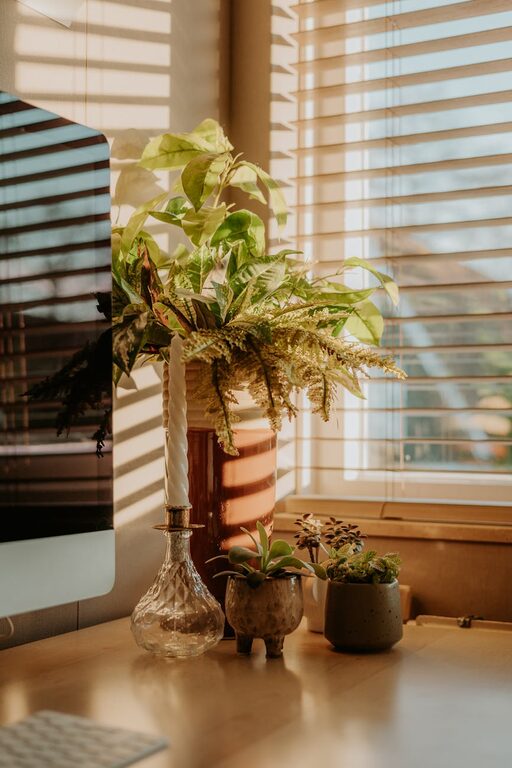
Creating a relaxing home workspace is essential for maintaining productivity and promoting well-being, especially as many people spend increasing amounts of time working from home. A well-designed workspace can help you stay focused, reduce stress, and balance work with personal comfort. Here are practical tips and ideas to transform your home office into a calming and efficient environment.
Why a Relaxing Workspace Matters
A workspace that feels peaceful and organised encourages concentration and creativity. When you feel comfortable in your environment, distractions are minimised, and you can work more efficiently. Additionally, a calming space helps reduce the risk of burnout and supports mental health by promoting relaxation during work breaks.
Choose the Right Location
Selecting the ideal spot for your home office is the first step. Ideally, choose a quiet area away from household noise and distractions. If space is limited, even a corner of a room or a section of the kitchen can serve as a workspace with the right setup.
Consider Natural Light
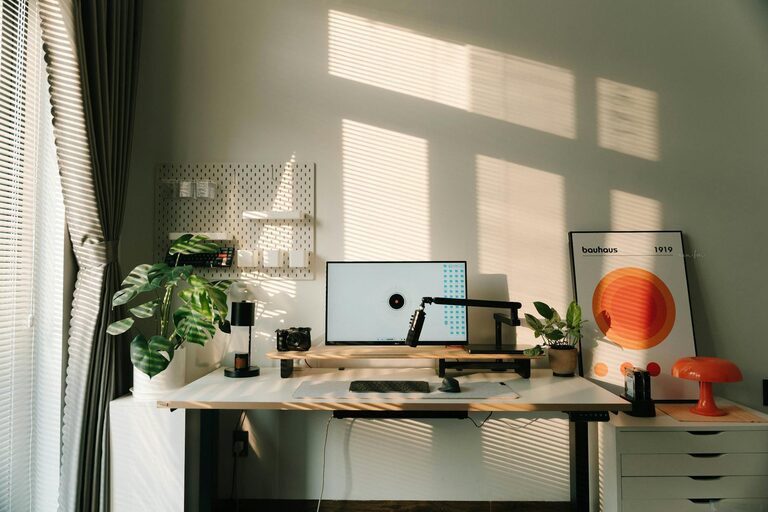
Natural light is a key element in creating a relaxing atmosphere. Position your desk near a window if possible, as daylight improves mood and energy levels. If natural light is limited, opt for soft, warm artificial lighting that won’t strain your eyes.
Declutter and Organise
A clutter-free desk and surrounding area help you maintain focus and reduce stress. Regularly clear your workspace of unnecessary items and organise essential materials neatly.
Use Storage Solutions
Incorporate storage containers, shelves, or drawers to keep papers, gadgets, and stationery out of sight yet accessible. Label boxes and folders to find what you need effortlessly.
Keep Only What You Need
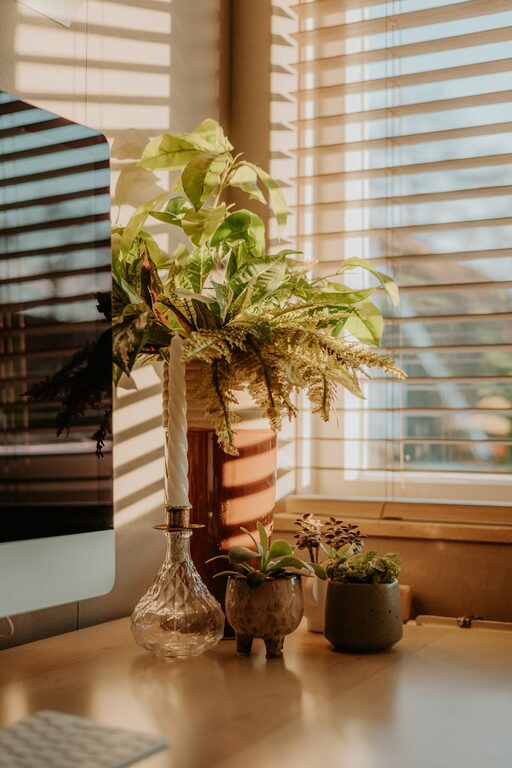
Limit your desk items to those necessary for the day’s work. Personal touches such as a small plant or photo can add comfort without overwhelming the space.
Invest in Comfortable Furniture
Ergonomic furniture supports your posture and prevents discomfort during long working hours.
Choose a Supportive Chair
A chair with adjustable height, lumbar support, and comfortable cushioning helps maintain good posture. When possible, use chairs designed specifically for office use.
Opt for a Suitable Desk
Your desk height should allow your forearms to rest parallel to the ground when typing. Consider a desk with enough surface space for your computer, documents, and any other tools you regularly use.
Personalise Your Workspace Calmly
Adding elements that bring you joy can make your workspace inviting. However, avoid over-decoration which can create visual distractions.
Add Greenery
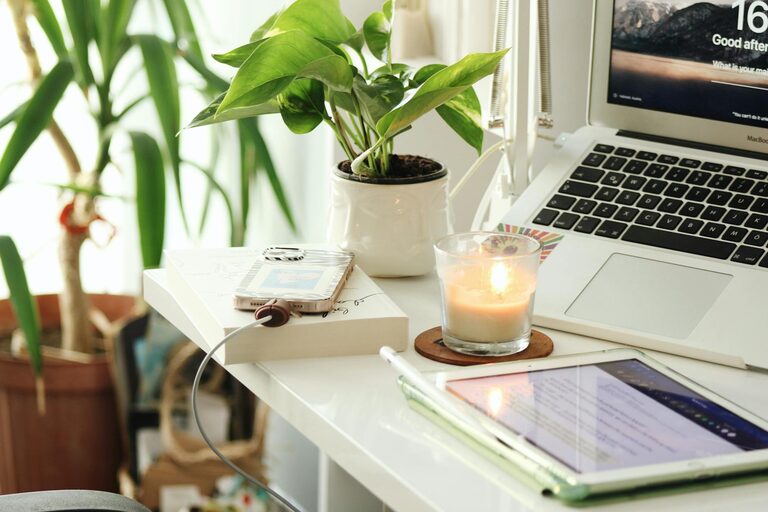
Small indoor plants can improve air quality and create a soothing ambiance. Low-maintenance plants like succulents or spider plants are good options.
Use Calming Colours
If you’re able to paint or decorate the space, consider colours known to promote calm, such as soft blues, greens, or neutrals.
Minimise Distractions
Reduce factors that interrupt your workflow by organising cables, silencing phone notifications, and using noise-cancelling headphones if necessary.
Implement a “Do Not Disturb” Sign
If sharing your home with others, a simple sign indicating you are working can help maintain quiet periods.
Incorporate Relaxation Elements
Designate space or a routine for short breaks to help recharge throughout your workday.
Use Aromatherapy
Scented candles or essential oil diffusers with calming aromas like lavender or eucalyptus can create a peaceful environment.
Create a Break Zone
If space allows, have a comfortable chair or cushion nearby where you can step away to relax or stretch.
Manage Technology Wisely
Ensure your devices are set up ergonomically and that you’re taking steps to protect your well-being.
Screen Positioning
Place your computer screen at eye level to avoid neck strain.
Blue Light Filters
Using screen protectors or apps that reduce blue light can help lessen eye fatigue, especially in the evening.
Keep a Routine
Establishing consistent working hours and organising your tasks can increase productivity while helping you maintain balance.
Plan Your Day
Use to-do lists or digital planners to structure tasks and set realistic goals.
Take Regular Breaks
Short breaks every hour refresh your mind and prevent fatigue. Stand, stretch, or practice breathing exercises during these moments.
Final Thoughts
Crafting a relaxing home workspace is about combining comfort, functionality and personal touches that make you feel calm and motivated. By choosing the right location, investing in ergonomic furniture, minimising distractions, and adding subtle elements of relaxation, you can create an environment that supports your productivity and well-being. Remember, a well-designed workspace is an investment in your health and work satisfaction.