




Creating a home office that balances relaxation and productivity can feel like a challenge, especially when your living space has to serve multiple roles. Whether you’re working remotely full-time or just need a dedicated spot for occasional tasks, a well-designed home office can make all the difference. In this post, we’ll explore practical tips to help you craft an environment that supports focus and calm, so you can work efficiently and feel good while doing it.
Find the Right Space
Choose a Quiet Corner
Start by selecting a location with minimal distractions. Ideally, this should be a quiet area away from household noise like the TV or kitchen. If space is limited, even a small nook can work — the key is creating a boundary between work and leisure zones.
Consider Natural Light
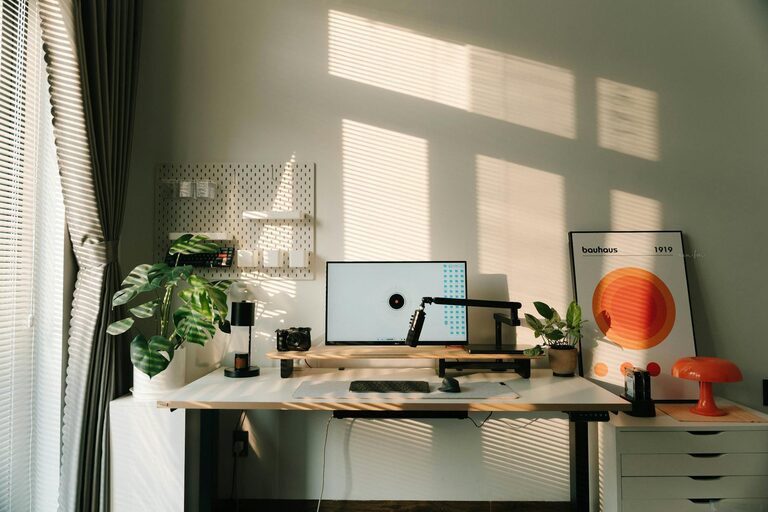
Natural daylight has been proven to boost mood and energy levels. Position your desk near a window if possible. If that’s not an option, invest in good quality lighting that mimics daylight to reduce eye strain and fatigue.
Invest in Comfortable Furniture
Ergonomic Chair and Desk
Comfort is crucial for long working hours. Choose an adjustable office chair that supports your back and encourages good posture. Your desk should be at a height that allows your arms to rest comfortably when typing.
Personalise Your Space
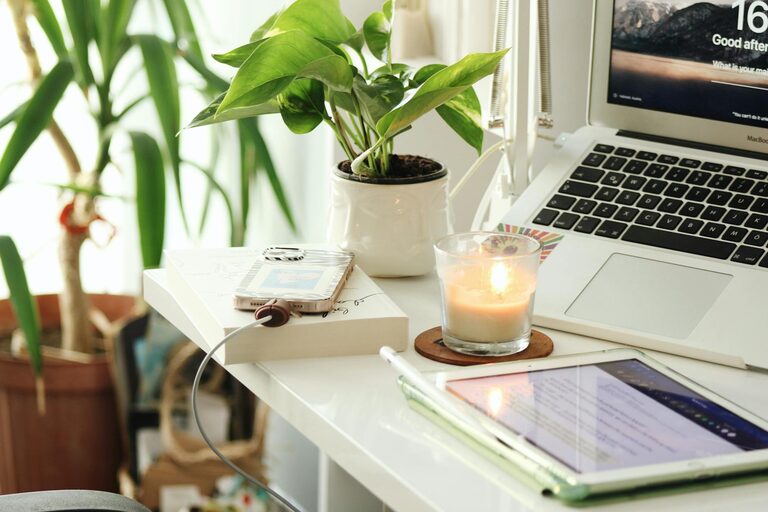
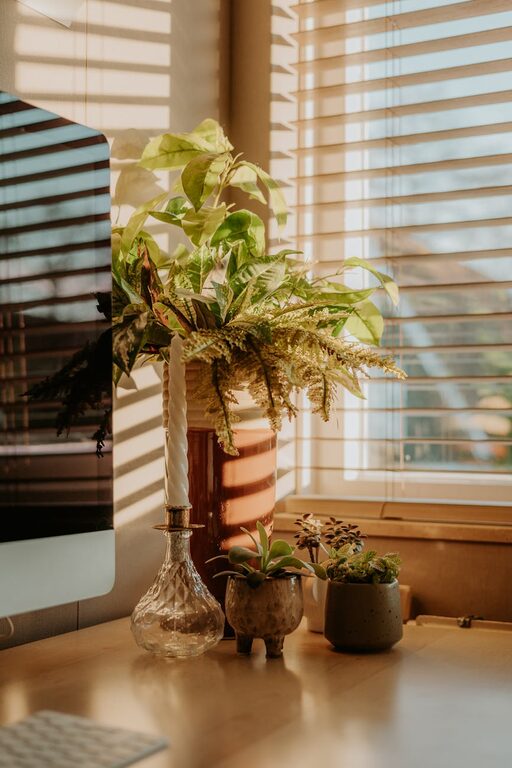
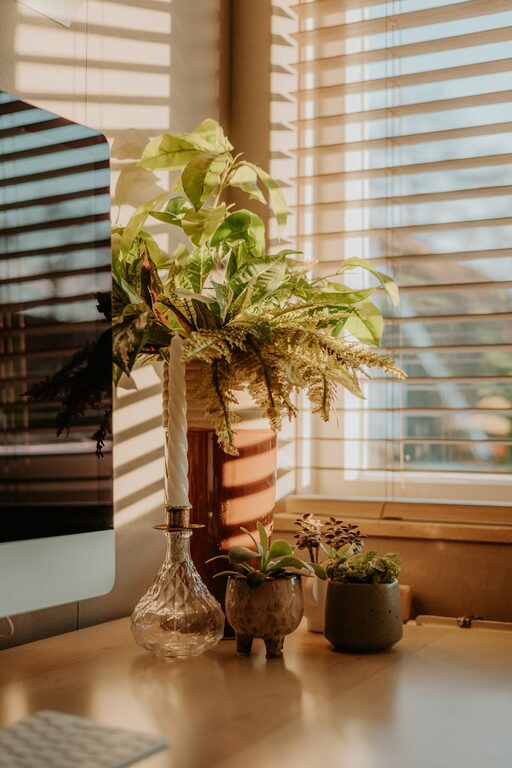
Adding a few personal touches like plants, photos, or artwork can make your workspace more inviting and reduce stress. Choose items that inspire you without cluttering the area.
Keep Your Space Organised
Use Storage Solutions
Clutter can disrupt focus and increase anxiety. Use shelves, drawers, or filing cabinets to keep documents and supplies neatly stored. Label containers to find things quickly.
Maintain a Clean Desk
Spend a few minutes at the end of each day tidying your workspace. A clear desk helps maintain clarity and signals the end of your workday, improving work-life balance.
Minimise Distractions
Turn Off Notifications
Notifications from your phone or computer can interrupt your concentration. When working, switch to ‘Do Not Disturb’ mode and check messages during breaks.
Set Boundaries with Others
If you share your space with family or housemates, communicate your work hours clearly. Use visual cues like a closed door or a sign to indicate when you should not be disturbed.
Create a Relaxing Atmosphere
Incorporate Calming Colours
Colours like soft blues, greens, or neutral shades can create a serene environment. Avoid overly bright or distracting colours on your walls or accessories.
Use Aromatherapy or Sound
A subtle scent such as lavender or eucalyptus or gentle background sounds like nature noises or soft music can enhance relaxation and focus.
Prioritise Good Technology
Reliable Internet and Equipment
Slow internet or faulty tech can hamper productivity. Ensure your internet connection is stable and your devices are up to date. Invest in accessories like a good-quality headset or an external keyboard if it improves your comfort.
Organise Your Digital Workspace
Keep your computer desktop tidy and organise files logically. Use productivity apps or timers to stay on track and manage your tasks efficiently.
Take Regular Breaks
Follow the 20-20-20 Rule
To reduce eye strain, every 20 minutes look at something 20 feet away for 20 seconds. This simple habit helps you rest your eyes and stay refreshed.
Move Around
Incorporate short stretches or walks during breaks to improve circulation and reduce physical tension. Consider a standing desk option if you want to alternate between sitting and standing.
Manage Lighting and Temperature
Adjust Light Levels
Avoid glare from screens or harsh lighting. Use adjustable blinds or curtains to control natural light and consider a desk lamp with adjustable brightness.
Maintain Comfortable Temperature
The ideal room temperature for productivity is usually between 20-22°C. Use fans, heaters, or air conditioning as needed to keep your environment comfortable year-round.
Final Thoughts
A productive and relaxing home office is achievable with intentional planning and a few thoughtful adjustments. By creating a space that supports your physical comfort, reduces distractions, and promotes calm, you can make working from home a more enjoyable and effective experience. Make small changes based on your needs and preferences, and remember that your workspace should work with you, not against you.
Setting up your home office well is an investment in your workday and overall wellbeing. Happy organising!