


Working from home has become increasingly common, making it essential to create a home office environment that supports both productivity and relaxation. When your workspace is comfortable and well-organised, you are more likely to focus, manage your time efficiently, and enjoy your workday. Here are some useful tips to help you create a balanced home office that feels both inviting and effective.
Choose the Right Location
Find a Quiet Spot
Select a space in your home where you can work with minimal distractions. This could be a spare room, a corner of your living room, or even a well-screened area in a bedroom. Having a designated workspace helps your brain switch into “work mode” more easily.
Consider Natural Light
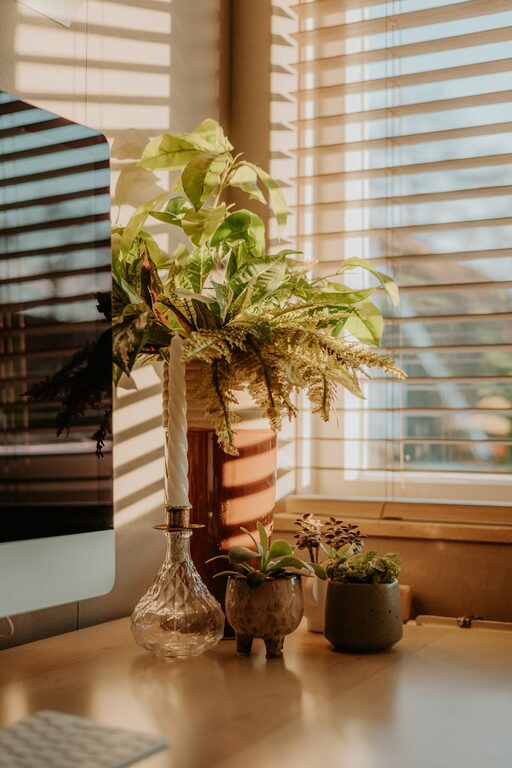
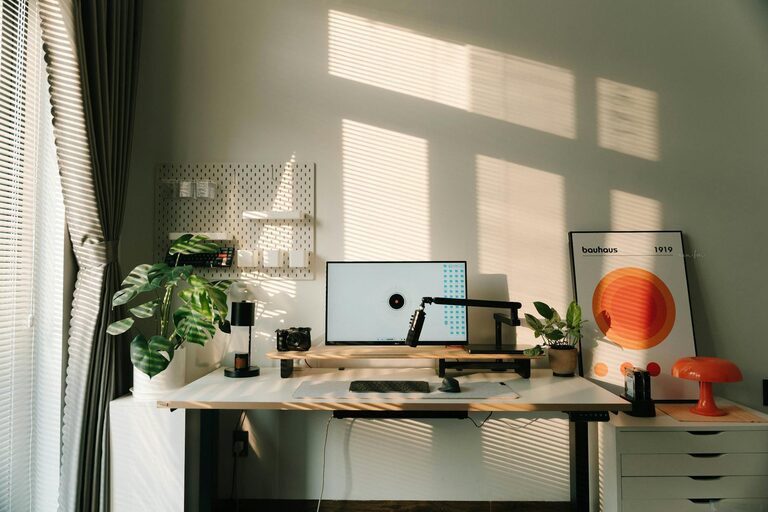
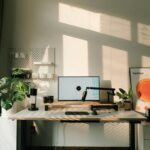
If possible, position your desk near a window. Natural light has been shown to improve mood and reduce eye strain. If natural light is limited, invest in good quality artificial lighting that mimics daylight.
Invest in Comfortable Furniture
Ergonomic Chair and Desk
A supportive chair and appropriately sized desk are crucial. Proper ergonomics prevent discomfort and long-term health issues. Your chair should support your back, and your feet should rest flat on the floor. The desk height should allow comfortable typing and writing.
Adjustable Features
Consider furniture that you can adjust to your needs, such as height-adjustable desks or chairs with adjustable lumbar support. Changing your position during the day reduces fatigue and keeps you refreshed.
Organise Your Workspace Effectively
Declutter Regularly
Keep your desk tidy and free from unnecessary items. A cluttered desk can be distracting. Use organisers, trays, or drawers to store stationery, documents, and gadgets neatly.
Use Storage Solutions
Shelves, filing cabinets, and box organisers help keep your workspace neat and make it easier to find what you need. Label storage for easy access.
Personalise Without Overcrowding
Add Plants
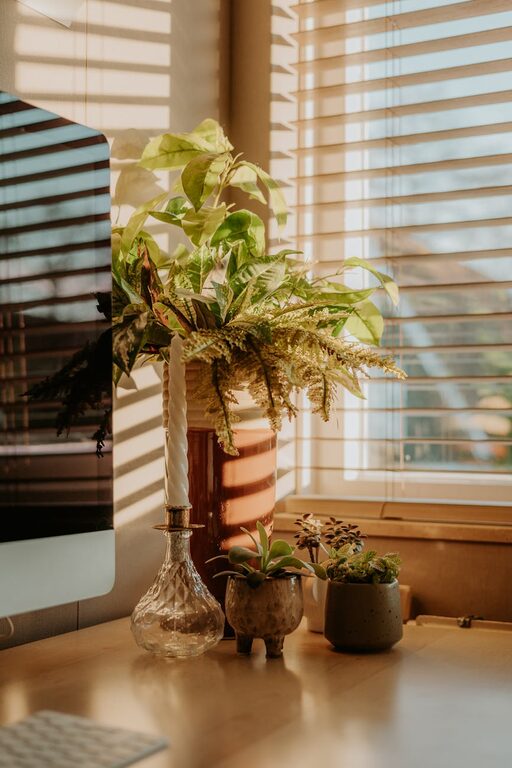
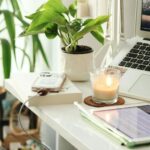
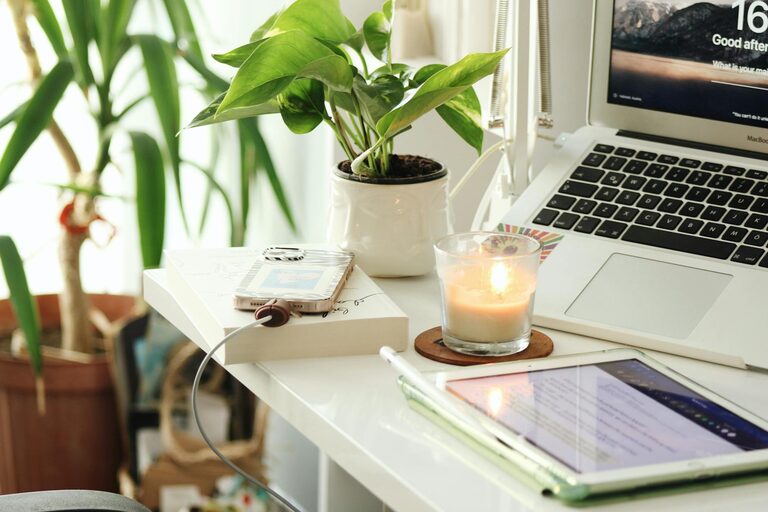
Indoor plants improve air quality and add a touch of nature, which can reduce stress. Choose low-maintenance plants like succulents or spider plants if you don’t have a green thumb.
Incorporate Personal Touches
Display a few favourite pictures, artwork, or inspirational quotes. Personal touches make your workspace welcoming but avoid over-decoration that can distract.
Manage Technology Wisely
Invest in Good Equipment
Reliable computer hardware, a good-quality webcam, and a responsive keyboard and mouse contribute to a smoother workflow. Using multiple monitors can also increase productivity if your work benefits from it.
Keep Cables Organised
Tidy cables using clips or cable organisers to prevent tangling and ensure your desk looks neat.
Create a Relaxing Atmosphere
Pay Attention to Colours
Use soothing colours like blues, greens, or neutral tones on walls and accessories. Bright, harsh colours can be energising but may also lead to visual fatigue if overused.
Control Noise Levels
If your home is noisy, consider noise-cancelling headphones or playing soft background music or white noise. Find what helps you concentrate best.
Maintain Comfortable Temperature
Ensure your workspace is neither too hot nor too cold. Use a fan, heater, or humidifier if necessary to keep a comfortable atmosphere.
Schedule Breaks and Movement
Take Regular Breaks
Avoid sitting for long periods by following the 20-20-20 rule: every 20 minutes, look 20 feet away for 20 seconds. Stand up, stretch, and move around regularly to maintain circulation and reduce tension.
Create a Break Area
If space allows, designate a nearby spot to relax during breaks. Having a change of scenery even for a few minutes helps clear your mind.
Plan Your Day and Set Boundaries
Define Work Hours
Set clear start and end times for your workday to maintain a healthy work-life balance. This also helps you be more productive within your designated hours.
Communicate Boundaries
If you share your home with others, explain your work schedule and the importance of minimal interruptions during those times.
Maintain Good Air Quality and Hydration
Ventilate Regularly
Fresh air helps keep your mind alert. Open windows when weather permits to improve ventilation.
Stay Hydrated
Keep a water bottle at your desk and remember to drink regularly to maintain concentration and energy levels.
—
Creating a home office that balances productivity with relaxation is about combining practical organisation with personal comfort. By tailoring your workspace to your needs and habits, you set yourself up for enjoyable and efficient workdays. With these tips, you can build a home office environment that supports your well-being and work goals.